

Soil Stabilization Applications for Road Subgrades

Soil Stabilization Applications for Road Subgrades
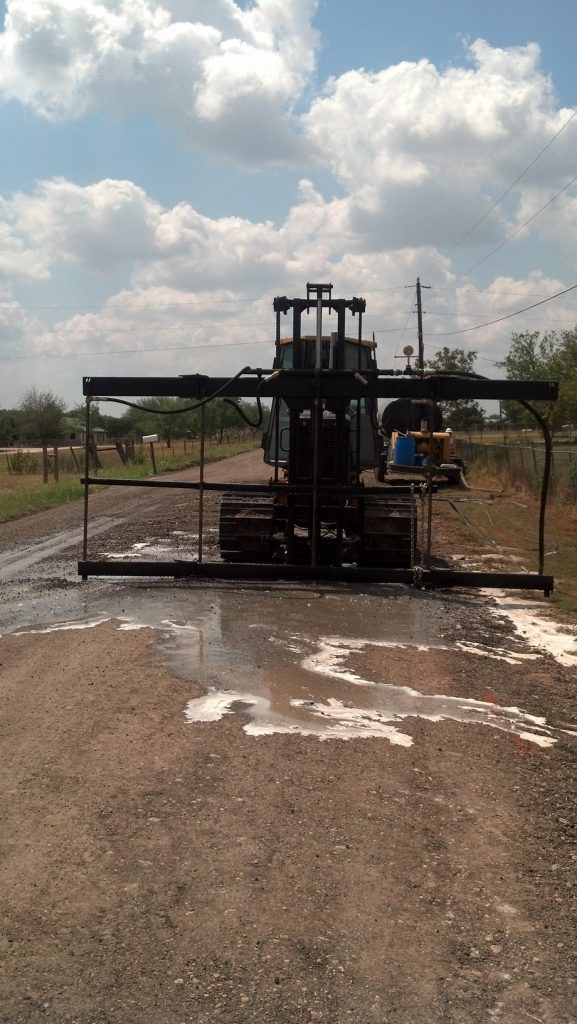
A well-built road starts with solid ground. But in regions where clay-rich or moisture-sensitive soils dominate, subgrade failure is one of the most common (and costly) problems in road construction and maintenance.

Soft subgrades can’t carry the load. Over time, they lead to rutting, cracking, drainage failures, and expensive rework. Traditional ground stabilization techniques like lime or cement treatment often require excavation, high material volume, and heavy equipment.

At Earthlok, we offer a better approach. Our chemical soil injection technology strengthens road subgrades without excavation, helping you build longer-lasting roads with less disruption, fewer delays, and greater long-term stability.

See how we help you build stronger roads from the ground up—without excavation.

Why Subgrades Fail in Road Construction

If the base beneath your pavement isn’t solid, it won’t matter how well you pave the surface. Here’s what commonly leads to subgrade failure:

  • Expansive soils (like clay) swell with water and shrink in dry conditions, creating cycles of movement.
  • Seasonal moisture changes accelerate that shrink-swell behavior, especially in areas with wet winters and dry summers.
  • Traffic loads, especially from heavy trucks, compact the weak subgrade unevenly, leading to rutting and surface fatigue.
  • Improper compaction or poor drainage design traps moisture in the subgrade, further weakening the soil’s ability to carry loads.

Once failure begins, it spreads, and repaving only hides the damage temporarily.

What Is Soil Stabilization and Why Does It Matter?

Soil stabilization is the process of improving the strength and consistency of native soil so it can support infrastructure like roads, parking lots, and highways. For road subgrades, stabilization is critical to keep the pavement above from cracking, deforming, or settling over time.

There are two common types:

  • Mechanical stabilization: Involves blending in aggregates, lime, or cement and then compacting. This works in some cases but requires excavation and careful moisture control.

  • Chemical stabilization (our method): Injects a solution directly into the soil, bonding particles and reducing water sensitivity without digging.

While cement or lime may be useful in some applications, chemical injection is faster, more precise, and less disruptive—especially for clay-heavy or variable soils.

Applications of Soil Stabilization in Road Subgrades

New Road Construction

For projects in areas with soft, moisture-sensitive soils, early soil injection sets the foundation for lasting performance. Stabilizing the subgrade before paving:

  • Reduces settlement and early cracking
  • Allows for thinner pavement sections (savings on asphalt/concrete)
  • Minimizes project delays due to rain or poor soil workability

Road Widening and Shoulder Repair

Transitions between old and new construction are notorious for cracking. Edge failure is common where the original subgrade wasn’t built for today’s loads.

Stabilizing these roadway shoulder areas and seams creates uniform support and prevents differential settlement between pavement sections.

Utility Corridor or Trench Rebuilds

Any time utilities run beneath a road, you’re dealing with disturbed soil. Rebuilding these trenches without stabilization leads to dips and pavement fatigue over time.

We treat the road subgrade around and beneath utility corridors, ensuring even support and reducing the risk of collapse or surface deformation.

Benefits of Chemical Soil Stabilization

Chemical injection offers several performance, cost, and logistical advantages over traditional stabilization methods:

  • No excavation required
  • Uniform soil treatment, even in mixed or high-plasticity soils
  • Long-term strength gain, improving load-bearing capacity over time
  • Reduces moisture sensitivity, protecting against freeze-thaw cycles and saturation
  • Allows thinner pavement designs, reducing overall material costs
  • Faster deployment, with less labor, no material import/export, and minimal equipment
  • Keeps roadways open: less downtime, less traffic disruption

For municipalities and contractors, that translates to lower life cycle costs, improved reliability, and better ROI.

Earthlok’s Liquid Injection Technology

Earthlok’s stabilization process is purpose-built to enhance subgrade performance from the ground up. Using a specially engineered liquid solution, we treat clay and silty soils to reduce their natural tendency to expand and shrink with moisture changes.

The injected material binds soil particles together, increasing density and resistance to movement—creating a more stable and reliable base. Our system applies the solution using precise injection patterns to ensure uniform coverage and consistent compaction across the entire treatment area.

Safe for surrounding infrastructure, eco-friendly, and compatible with a wide range of soil types, Earthlok’s method can be deployed efficiently—even on active construction sites.

When to Stabilize Your Subgrade

Are you unsure if your road project needs stabilization? Look for these signs:

  • Alligator cracking: A classic indicator of base failure due to uneven support

  • Edge rutting or pavement drop-off: Especially near shoulders or expanded lanes

  • Standing water after rain: Poor drainage = poor subgrade conditions

  • Asphalt fatigue over trench lines: Suggests subsoil settlement or instability

Don’t wait for potholes and sinkholes to develop. Stabilizing early saves time, money, and reputation.

Frequently Asked Questions About Subgrade Stabilization

How does chemical soil stabilization improve road performance?

It strengthens weak or variable soils, increases load capacity, and reduces water-related movement, resulting in fewer cracks, ruts, and surface failures.

Can subgrades be stabilized without excavation?

Yes. Earthlok’s injection process is non-invasive and can be done without removing or replacing existing soil. It works with the material already in place.

Is chemical injection effective in high-clay or variable soils?

Absolutely. In fact, it’s ideal for expansive clay, high PI soils, and silty loam. The chemical bonds limit the soil’s ability to absorb water, making it more stable under changing conditions.

How long does the injection process take?

Most projects can be completed in a matter of days, depending on size. Unlike traditional methods, there’s no waiting for backfill, compaction, or drying—so you can keep your schedule moving.

Stronger Roads Start with Stable Soil and Earthlok

If you’re responsible for building or maintaining roads in moisture-prone or clay-rich regions, you know how quickly things go wrong when the subgrade gives out.

Earthlok’s chemical injection soil stabilization is designed to prevent those failures from day one—with no excavation required. Whether you’re working on new construction, widening projects, or utility trench stabilization, our method is faster, cleaner, and proven to perform.

Ready to build longer-lasting roads with fewer repairs? Contact Earthlok Soil Stabilizer today to schedule a site evaluation.
